
Worldview is the way in which you interpret reality. It is the way that a human being answers the fundamental human questions: Who/Where am I, and what is the meaning of it all?
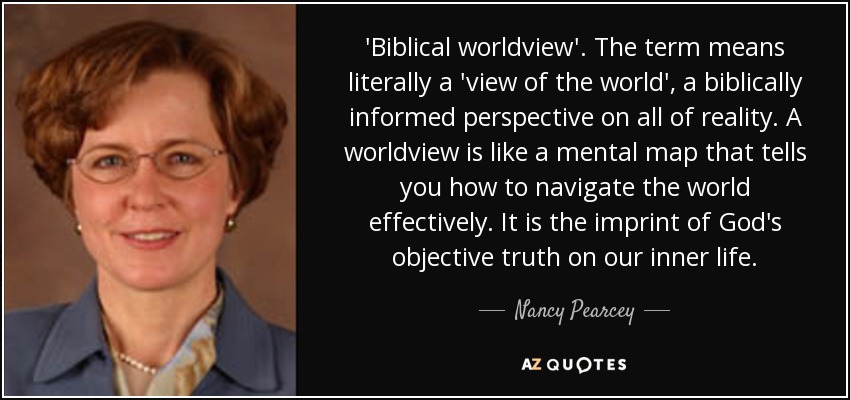
As a historian it defines your profession, for what more is a historian than a person who interprets history? John Calvin, the famous theologian, summed up what I believe to be the best way of defining a Christian worldview of history when he said, “Christians should view the world through the lens of scripture.”

The Christian worldview teaches us to see members of the human race as created in the image of God (Imago Dei), and thus are worthy of understanding, dignity and love. We acknowledge from our worldview that human beings are fallen and sinful, but this does not stop us from trying to understand them and having empathy. The Christian worldview informs us that there is meaning and order to everything in the universe, and also establishes our limits of understanding. All the while, our Biblical worldview establishes that we adhere to a commitment of honesty in our lives and work that would be expected of those in the service of God.
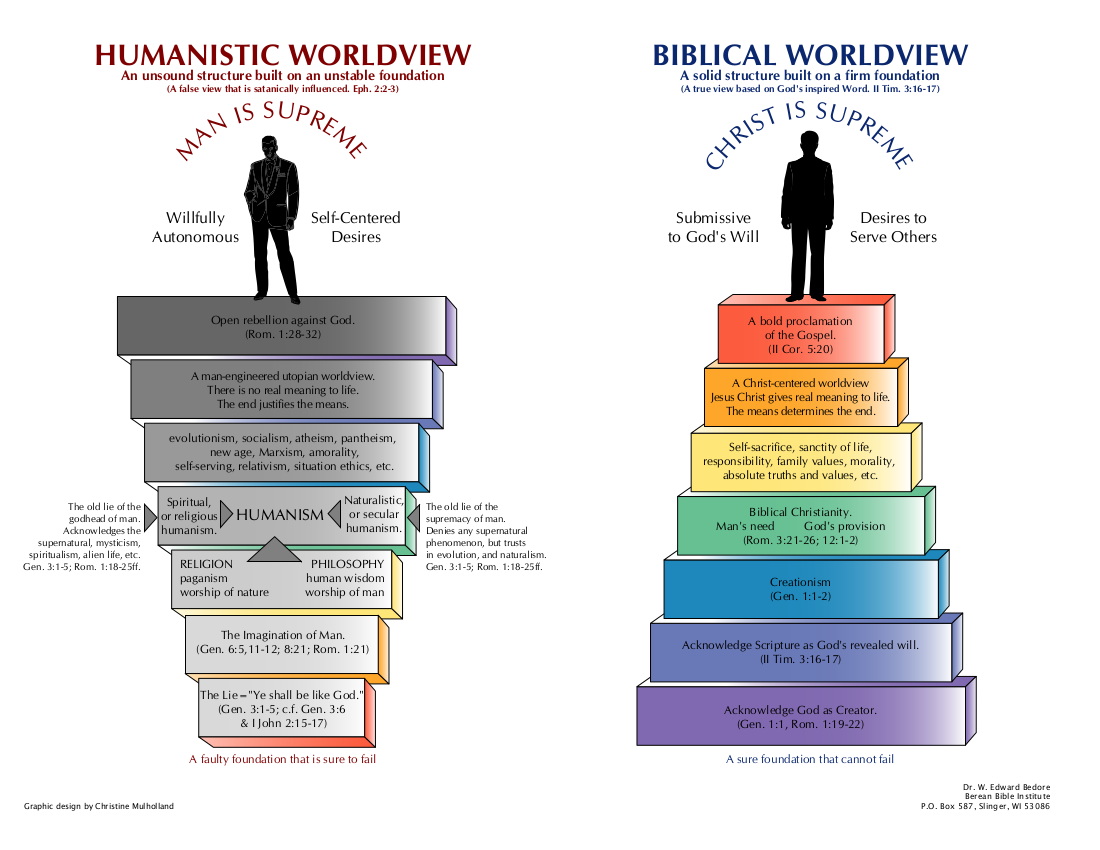
These are only some of the aspects of a Christian worldview that I will be able to discuss here. For the sake of brevity (only a modicum perhaps) I would love for the reader of this blog post to visit the following link to Liberty University’s web-page on “Biblical Principles & the Study of History”.
https://www.liberty.edu/academics/arts-sciences/history/index.cfm?PID=18375
In order for those unaccustomed to the Christian worldview to better understand, it is important to describe what a Christian worldview is not. We must keep in mind that a Christian worldview, just as any other religious or secular worldview, does not oblige us to have a slavish devotion to bias. An appropriately maintained Christian worldview should strive to remain as unbiased and scholarly as is humanly possible. A Christian worldview does not seek to spiritualize history. When interpreting a historical event or person from the past, it is paramount for us to avoid explaining away the story with scripture. Furthermore, a Christian should be fully able to explain and interpret historical events and people without focusing solely on Christians. We are not in the business of assigning an extra element of importance or focus based on the religion of the person we study. Finally, a Christian worldview is not necessarily providential in its approach. Although a Christian historian will certainly agree with many facets of the role of providence (God’s hand) in history, as a historian we separate ourselves from this rationale. While paying attention to our own biases, we attempt to tell the story of what happened without attributing motive or attempting to divine those things which we cannot truly know (such as God’s plans).
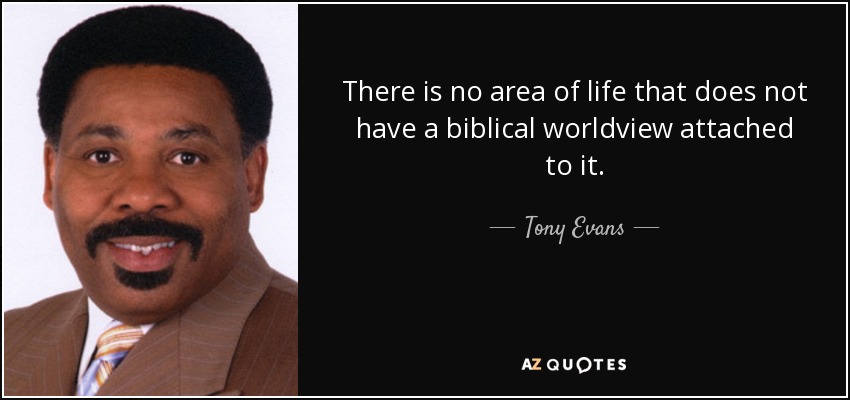
A Christian worldview is important to me for many reasons. It gives me insight into the past, the here and now, and the future. It grounds me in an ethical framework that is required to do my job as a historian. It provides me with the ability to find the truth in the stories of the past. Finally, it answers the most important questions I will ever have. My Christian worldview is what tells me that who I am is a Child of God, and that the meaning of this life is the glorification of God.


 Ex Anima, Ergo Pro Bono